Music Rhinestone Templates: A Rare Design Asset
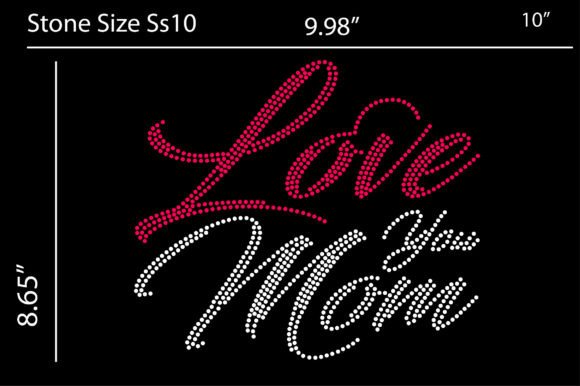
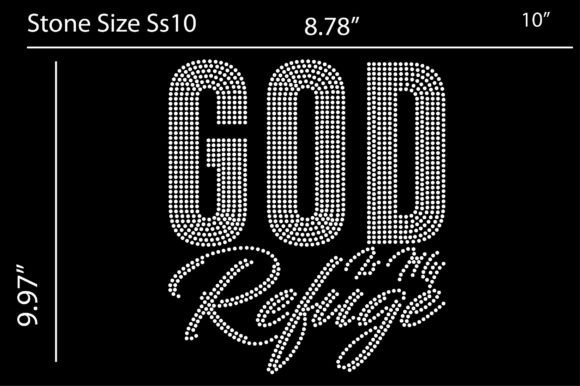
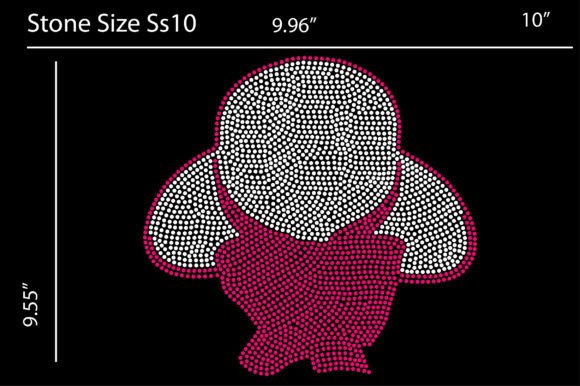
When you come across a design asset that feels genuinely unique, it changes the way you approach your projects. Music Rhinestone Templates is one of those rare finds. It’s not just another set of files; it’s a collection of editable vectors that brings a specific, sparkling aesthetic to your work. The visual personality here is all about celebration, energy, and a touch of glamour. Think of the classic rhinestone iron-on designs you’d see on a custom t-shirt or a personalized gift, but translated into clean, versatile digital formats. The appeal is immediate and tactile—it evokes the feel of a real, textured design before you even apply it to a physical product.
Where This Template Shines: Real-World Applications
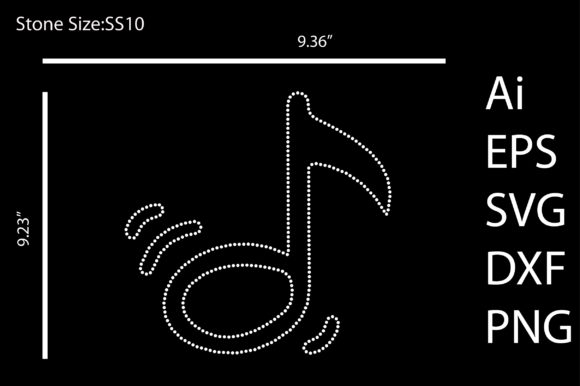
The true value of Music Rhinestone Templates lies in its practical application across a wide spectrum of creative and commercial projects. For the small business owner running an Etsy shop specializing in custom apparel, these files are a direct line to creating best-selling designs. The SVG and DXF files are specifically optimized for cutting machines like Cricut and Silhouette, allowing you to produce intricate rhinestone patterns with precision and speed. Imagine creating a line of music-themed t-shirts for a local band, a series of custom mugs for a music festival, or branded cushions for a record store. The high-resolution PNG and JPEG files are perfect for mockups, social media graphics, and digital previews, ensuring your marketing materials look as polished as the final product.
Beyond the craft table, the templates offer surprising utility for designers and brand strategists. The editable AI and EPS files integrate seamlessly into professional workflows in Adobe Illustrator or Corel Draw. This is where you can customize colors, scale elements without loss of quality, and incorporate the music motifs into larger brand identity systems. A startup music app, for instance, could use a stylized element from the template in its logo design or as part of its web design icons, adding a unique, human-crafted touch to its digital presence. For content creators and bloggers in the music or lifestyle niche, these graphics can elevate a simple blog post header or a Pinterest pin into something visually compelling and shareable, directly impacting audience engagement.
Practical Guidance: Choosing and Using Your Design Files
Acquiring a premium font or design asset is only the first step. Knowing how to evaluate and implement it is what separates a good project from a great one. First, consider the project fit. Music Rhinestone Templates excel in contexts that call for celebration, entertainment, personalization, and a handcrafted feel. They might be perfect for a birthday party invitation, merchandise for a music school, or branding for a DJ. They would likely feel out of place, however, in a corporate financial report or a minimalist tech brand’s primary logo.
Next, think about integration and pairings. If you’re using the graphic elements in a design that also includes text, your choice of typeface is critical. A bold, clean sans serif font often provides excellent contrast and readability against the intricate detail of a rhinestone pattern, creating a strong visual hierarchy. Alternatively, a flowing script font can complement the celebratory vibe, but test it carefully to ensure legibility isn’t sacrificed for style. The key is to let the template be the star of the show, with typography playing a supporting role.
Always review the full package of included styles and formats. The versatility of having SVG, DXF, EPS, AI, PNG, and JPEG files means you are prepared for almost any scenario. Use the vector formats (SVG, EPS, AI) for scaling and editing. Use the raster formats (PNG, JPEG) for digital use or printing where a fixed resolution is acceptable. Before committing to a large production run, do a small test print on your intended material—whether that’s a t-shirt, mug, or paper—to check for sizing, color accuracy, and overall impact. This simple step can save you time and resources, ensuring the final product meets your professional standards.
Finally, understand the licensing. While the file description mentions it’s perfect for personal and commercial projects, it’s always your responsibility to review the specific terms provided with your purchase. This ensures you are using the assets correctly, whether you’re creating items for sale or for a client’s brand identity project. This due diligence is part of maintaining professionalism and building a sustainable creative practice.