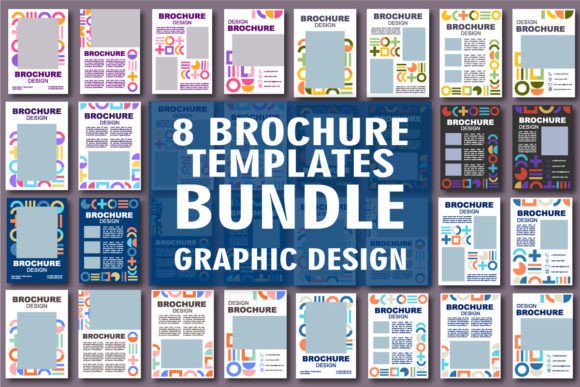
Smart Design Starts Here: Digital Illustration Brochure Templates
Let’s be honest: starting a design from a blank artboard is one of the most intimidating parts of the creative process. Whether you are a seasoned brand strategist or a small business owner trying to create your first pamphlet, the pressure to get the layout "just right" can stall a project for days. This is exactly why Digital Illustration Brochure Templates have become an industry staple. They aren't just about saving time; they are about bypassing the "blank page paralysis" and jumping straight into the refinement stage.
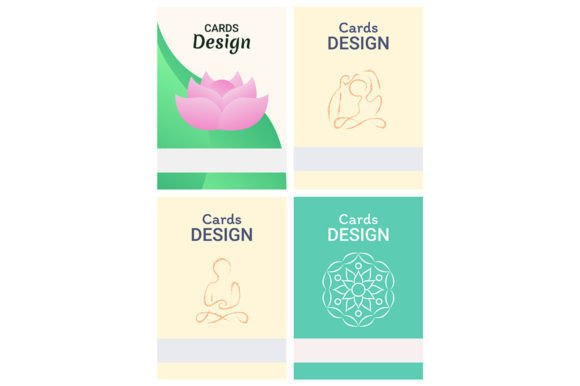
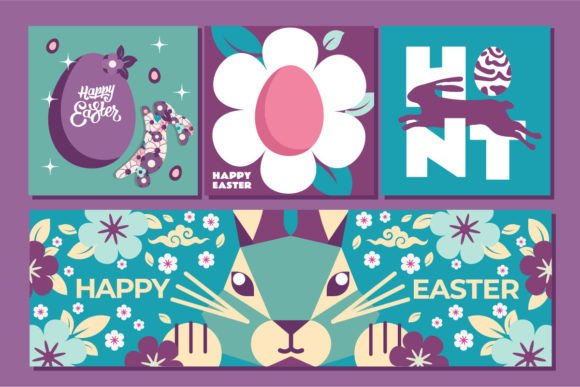
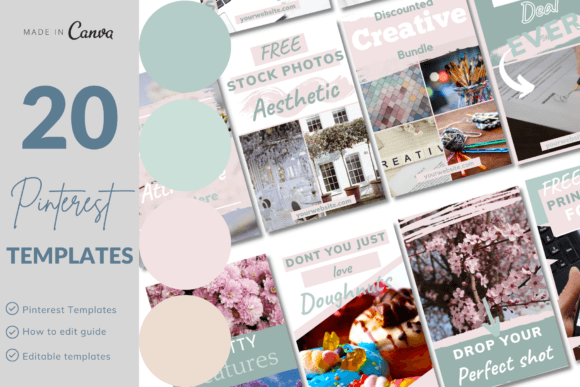
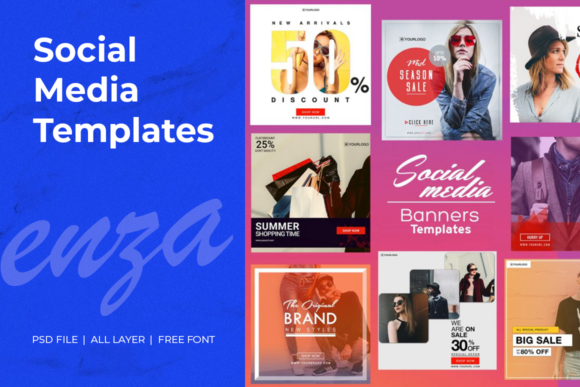
These collections are far more than just static outlines. We are talking about a comprehensive ecosystem of design assets that typically includes vertical poster template sets, premade corporate reports, and editable flyer paper pages. The visual personality of these templates usually leans toward "universal utility." They are designed to be chameleons—clean lines, balanced negative space, and modern typography foundations that allow your content to shine without the layout fighting for attention. Whether you download them as EPS, SVG, PNG, JPEG, or AI files, the goal is flexibility. You get the raw structure of professional editorial design without the rigid constraints.
The Anatomy of a Universal Template Set
When we talk about the visual characteristics of a high-quality template set, we are really discussing the architecture of the page. A well-crafted set of Digital Illustration Brochure Templates understands visual hierarchy. It knows that a headline needs to grab the eye first, followed by sub-headers, and finally the body copy. Because these templates are vector-based (often using SVG or AI formats), they offer infinite scalability. This is crucial for brand identity consistency. You can scale a design element from a business card to a billboard without losing fidelity.
The "personality" of these templates is often minimalist or corporate-neutral by design. This isn't a lack of creativity; it is a strategic choice. A premade corporate report template, for example, needs to convey trust and data clarity. It uses grid systems to organize complex information into digestible chunks. If the design were too "loud," it would undermine the credibility of the data. Conversely, the editable flyer pages in the same collection might utilize bolder geometric shapes and larger display font placeholders to catch attention in high-traffic areas. The beauty lies in the "empty copy space"—that intentional void waiting for your specific message.
Matching the Template to Your Project
Choosing the right template requires more than just picking a color you like. You have to evaluate the project fit. Ask yourself: Who is the audience? A blog post turned into a downloadable PDF guide requires a different layout than a packaging design insert or a social media graphic.
Here is a practical breakdown of where these assets work best:
- Marketing & Sales: Use the vertical poster templates for trade shows or in-store displays. The "empty copy space" is perfect for high-impact statistics or a singular, powerful call to action.
- Corporate Reporting: The premade corporate reports are invaluable for entrepreneurs and marketers. Instead of wrestling with Excel charts, you can drop data into pre-styled infographics that look like they were made by a top agency.
- Publishing & Editorial: If you are a publisher or blogger, these templates can serve as the backbone for lead magnets (eBooks). The vector nature ensures that your text remains crisp and readable on high-resolution tablets and monitors.
- Product Launches: Use the flyer pages to create spec sheets or feature highlights for new products. The vector brochures allow you to isolate elements and reuse them across different parts of your campaign.
One of the most significant advantages of using a collection like this is the consistency it brings to your brand identity. When your flyers, reports, and posters share the same grid systems and spacing logic, your brand looks established and trustworthy. It moves you from looking like a hobbyist to a professional entity.
Typography and Readability in Template Design
While the template provides the skeleton, the typeface provides the voice. A common mistake with digital illustration templates is ignoring the font pairing. Most high-quality templates come with placeholder text, but the smart designer replaces this with fonts that match the brand's tone.
Consider the interplay between serif and sans serif fonts. A classic strategy for editorial design is using a bold sans serif for headers (for impact) and a legible serif for body text (for long-form reading comfort). If your brand is more playful or artisanal, you might swap the header for a script font or handwritten font, but be careful with readability. In the context of a corporate report, stick to clean sans serif families to maintain professionalism.
When selecting a premium font to go with your template, test it for "x-height" and spacing. A font might look beautiful on a poster but become unreadable when shrunk down for a brochure's fine print. Always print a test page. What looks good on a backlit screen can sometimes turn into a muddy mess on cheap flyer paper. Good modern typography is about legibility first, style second.
Customizing and Expanding Your Library
The true power of these design assets is unlocked when you stop treating them as finished products and start treating them as ingredients. The fact that they are editable means you can adjust the color palettes to match your specific brand hex codes. You can swap out the geometric shapes for custom digital illustrations that better represent your service.
Furthermore, the creative landscape moves fast. The mention of "New graphics every week" in these collections is vital. Design trends change; what looked fresh two years ago might look dated today. Subscribing to a library that updates its vector brochures and infographics ensures your marketing materials never feel stale. It allows crafters, hobbyists, and content creators to keep their output professional without needing a dedicated design department.
In conclusion, Digital Illustration Brochure Templates are not a shortcut for lazy designers. They are a strategic tool for efficiency. They democratize high-end graphic design, allowing small businesses to compete visually with larger corporations. By choosing the right file format—be it AI for deep editing or PNG for quick social use—and pairing them with thoughtful typography, you transform a generic layout into a powerful communication tool. Focus on the content, trust the grid, and let the templates handle the heavy lifting of the structure.