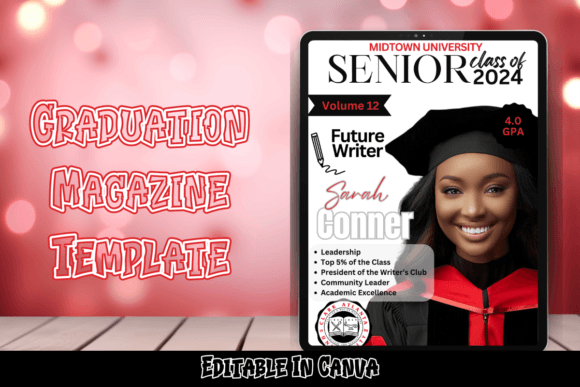
Graduation Magazine Templates: Designing a Lasting Keepsake
More Than a Program: The Modern Graduate's Portfolio
Graduation day arrives in a blur of caps, gowns, and proud smiles. It’s a culmination of years of hard work, a single moment representing a significant life transition. Yet, all too often, the materials created to commemorate this achievement are generic and forgettable. A flimsy, standard-fold program feels like an afterthought, failing to capture the weight and importance of the milestone. This is where the concept of a graduation magazine elevates the entire experience, transforming a simple event guide into a sophisticated, tangible portfolio and a cherished keepsake.
Think of it as applying modern typography and editorial design principles to a traditionally overlooked space. Instead of just listing names, a magazine format allows for storytelling. It provides the space to feature in-depth profiles of top graduates, showcase student artwork or academic projects, and include messages from faculty that resonate. For schools and universities, it’s a powerful piece of brand identity that communicates prestige and a deep commitment to its students. For an individual celebrating a personal milestone, like a PhD defense or a significant certification, it becomes a personalized portfolio, a testament to their journey.
The Anatomy of an Effective Graduation Magazine Template
A well-designed template is more than just a collection of pretty pages; it's a flexible framework built for clarity and impact. The visual personality of these templates often strikes a balance between celebratory and professional. You won't find overly whimsical or childish motifs. Instead, the aesthetic leans towards clean lines, confident use of white space, and a sense of occasion. The overall appeal is one of quiet confidence and modern elegance, making it suitable for any institution or individual.
The strength of these design assets lies in their adaptability. A high-quality template will provide a range of layouts designed for different content types, ensuring a dynamic and engaging reading experience.
- Cover and Spreads: The cover sets the tone, often featuring a powerful hero image of the campus, a distinguished graduate, or an abstract design that evokes achievement. Inside, full-bleed photo spreads can capture the atmosphere of the event, while structured grid layouts are perfect for group photos of departments or clubs.
- Feature Profiles: Dedicated pages for individual graduates are a cornerstone of the magazine format. These layouts typically include a prominent headshot, a space for a short biography or quote, and perhaps a section for "future plans" or "favorite memory."
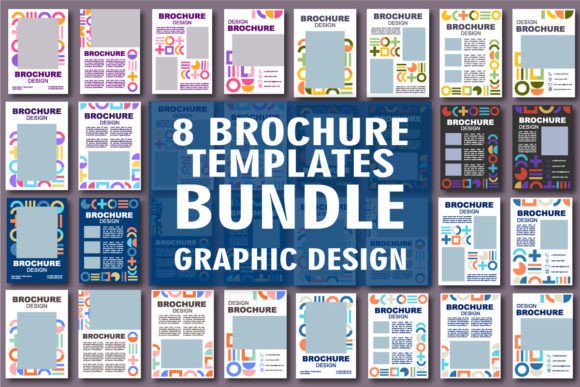
- Informational Pages: These templates excel at presenting data beautifully. The list of graduates, traditionally a dense block of text, can be broken into elegant, multi-column layouts with clear typographic hierarchy. Event schedules, maps, and sponsor acknowledgments are integrated seamlessly into the design, maintaining the magazine's polished feel.
This structured approach ensures that every piece of information, from the valedictorian's speech to the smallest detail in the event schedule, has a designated, visually appealing home. It's a masterclass in applying editorial design fundamentals to a specific, celebratory context.
Practical Application and Customization
The real value of a premium font or template kit is in its usability. A graduation magazine template is no different. These are built to be customized, not just used as-is. The goal is to infuse the final product with the unique spirit of the graduating class or the individual being celebrated. This is where a designer, marketer, or even a tech-savvy family member can truly make their mark.
Customization goes far beyond swapping out photos and names. It’s about strategic adjustments to align the magazine with a specific brand identity. For a university with a strong color palette, you would adjust the template’s accent colors to match. If the institution's brand uses a specific serif font for headings and a clean sans serif font for body text, you can easily implement this typographic system. The templates are often built with this kind of flexibility in mind, allowing you to change fonts, color swatches, and even adjust the grid to accommodate different amounts of content.
Consider the practical workflow. A school’s marketing department can use a template to create a consistent look across all graduation materials—from the printed magazine to social media graphics announcing the event. The template provides the foundational structure, ensuring professionalism and saving countless design hours. For an entrepreneur creating a custom magazine for a client, these templates are invaluable design assets that streamline the process, allowing them to deliver a high-end product efficiently.
Choosing the Right Template for Your Project
When evaluating a template, look past the surface-level aesthetics and focus on its underlying structure and flexibility. A beautiful design is useless if it can’t accommodate your content.
- Evaluate the Layouts: Does the template offer enough variety? Look for a good mix of text-heavy layouts, photo-centric spreads, and informational grids. A strong template will have at least 15-20 unique pages to prevent repetition.
- Check for Readability: Examine the sample text. Is the font size appropriate? Is there enough contrast between the text and the background? Good modern typography prioritizes clear communication. The most beautiful display font for a headline is a poor choice if the body copy is set in a cramped, unreadable typeface.
- Assess the Included Fonts: Many premium templates come with recommended or included fonts. This can be a huge time-saver. Check if the fonts are licensed for your intended use (e.g., commercial use for a design agency). Look for a versatile font pairing—perhaps a bold serif for headlines and a legible sans-serif for body text.
- Consider the Format: Is the template designed for print, digital, or both? If you plan to print, ensure it's set up with CMYK color and proper bleeds. For a digital version, look for interactive elements like hyperlinks or embedded videos.
By taking a practical, discerning approach, you can select a template that not only looks stunning but also serves as a robust and reliable foundation for a truly memorable graduation celebration. It’s an investment in creating a keepsake that graduates will hold onto for decades, a beautifully designed document that honors their significant achievement.