Timeless Appeal: The Versatility of Vintage Style Food Menu Templates
There’s a certain warmth that comes with a well-designed menu. It’s more than just a list of prices; it’s the first handshake, the opening act for the meal to come. For any establishment serving comfort classics like pizza or burgers, that initial impression needs to feel authentic, welcoming, and full of character. This is precisely where a thoughtfully crafted vintage style food menu template becomes an invaluable asset. It’s not about slapping on a sepia filter; it’s about harnessing a design language that communicates tradition, quality, and a story worth savoring.
The Anatomy of a Vintage Aesthetic
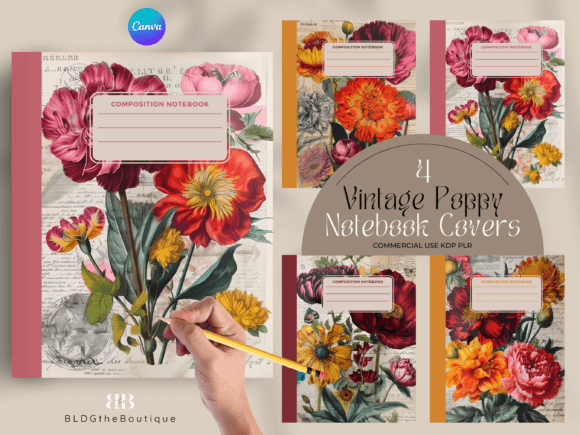
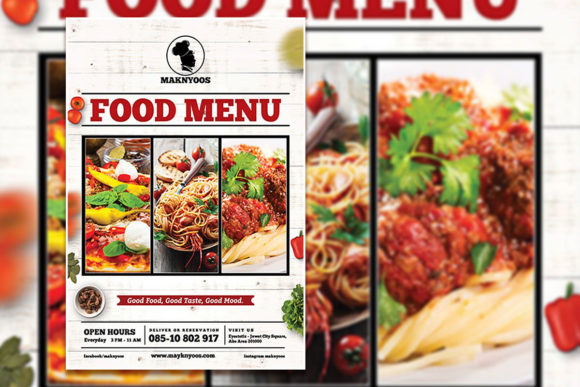
When we talk about a vintage style in menu design, we’re referring to a specific visual personality. It often leans on textured backgrounds that mimic aged paper or subtle wear, giving the piece a tactile quality even on a screen. Typography plays a leading role, frequently pairing a sturdy, bold serif font for headings with a clean, readable sans serif font for descriptions. You might also find tasteful accents like hand-drawn illustrations, classic borders, or muted color palettes that feel drawn from a different era. The goal is to create a brand identity that feels established and trustworthy, as if the restaurant has been perfecting its recipes for decades. This aesthetic works brilliantly for casual dining spots, food trucks, bakeries, and pubs aiming for a cozy, nostalgic vibe.
Beyond the Restaurant: Practical Applications
While a vintage style food menu template is an obvious fit for the hospitality industry, its utility stretches much further. Consider a small business owner launching a line of artisanal sauces or a blogger creating a printable recipe card set. The same design principles apply. This kind of design asset can be adapted for:
- Product Packaging Design: A label for a craft beer or homemade jam can use these templates to convey authenticity and small-batch care.
- Event Stationery: Think wedding menus, anniversary party programs, or rustic-themed event signage that requires a cohesive, elegant look.
- Digital Content: Social media graphics for a food blogger, website headers for a catering service, or even e-book layouts for a cookbook author. The layered PSD files allow for easy customization of photos and text, making it simple to adapt the template for various digital platforms.
- Editorial and Publishing: A magazine feature on comfort food or a cookbook chapter opener could use this style to set a thematic, immersive tone.
The key is recognizing that the template provides a structured foundation for visual storytelling. Its print-ready format at 300 DPI with proper bleed and safety zones means you can move from a digital proof to a physical product without technical headaches. This professionalism is crucial for anyone serious about their brand identity, whether they’re a designer, entrepreneur, or content creator.
Choosing and Customizing Your Template
Not all vintage templates are created equal. When evaluating one, look for a fully layered and well-organized PSD file. This structure is what makes customization efficient. You should be able to easily swap out placeholder images for your own high-quality photos, which is critical for a food menu. The text should be fully editable, allowing you to change not just the words but the font, size, and color to match your specific brand palette.
Think about readability first. A beautiful script font for the restaurant name might look stunning, but if it’s used for item descriptions, it could frustrate customers. A good template will have already considered this visual hierarchy. Test the font pairings included. Do they offer a balance? Typically, a display font or serif font works for titles, while a modern sans serif font ensures clarity for body text. Check if the template includes multiple styles or weights—that versatility can help you emphasize specials or create sections.
Finally, a note on licensing. If you’re using this for a commercial project, ensure the license permits that use. The mention of free fonts used is a common feature in many premium font and template bundles, but always verify the terms. This upfront due diligence protects your business and ensures your final product is as legally sound as it is visually appealing.
In the end, a vintage style food menu template is more than just a decorative creative font and some old-timey graphics. It’s a strategic tool for building a connection with your audience. It tells them you value craft, tradition, and a certain timeless quality. By choosing a well-structured, customizable option, you equip yourself to create marketing materials that are not only beautiful but also functional, professional, and perfectly aligned with the story you want your brand to tell.